Showing posts with label health. Show all posts

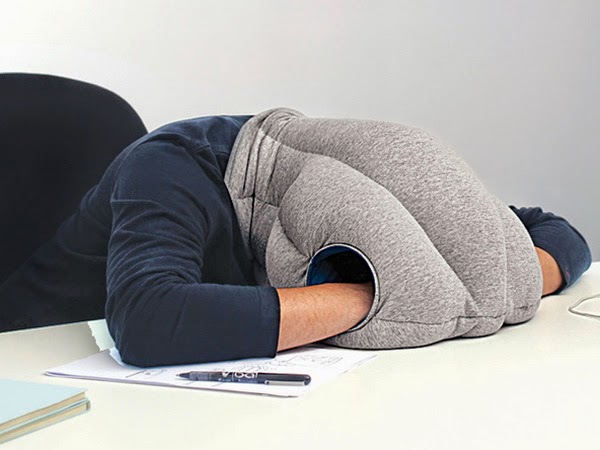
How to Take The Perfect Nap Right Now! [#infographic]


The most productive people are those who get enough sleep at night. That isnt possible for most of us. Sleep is a very precious commodity that most of us dont have the luxury of acquiring enough of.


Whether you arent sleeping well due to children, stress, or just waking frequently throughout the night, you may find yourself drifting mid day. If you are finding yourself dragging from after lunch until bedtime, that makes for a very long day.


If you have ever thought just a couple minutes of shut eye could solve your groggy problem but worry about the logistics of a nap, there are ways to get just the right amount to refresh, but not to put you under.


There is a difference between a long nap and a short refreshing one. Most of us avoid naps because they make us feel disoriented, and well just plain crabby.


Not wanting to spend the afternoon regretting the nap we took, we often suffer through being tired most of the day.
 
There is such a thing as a good nap and a bad one. Knowing how to nap productively will make your day more productive, and you less exhausted all the time.


What are the rules for good napping?


The biggest hurdle to taking a nap is finding the time and location to partake. The ideal time for someone to take a nap is between one oclock and four oclock. If you are a full time student, or work full time, you can see why that may be problematic.


The good news is that it only takes 10 to 20 minutes of nap time to increase your alertness, boost your energy, and provide you with a much more positive outlook. Surely you can find 10 to 20 minutes during the day, sometime after lunch, to gain the benefits from a little snooze.


If you are lucky enough to have the time, the best option is to take a nap that is about one hour in length. An hour nap gives you enough time to go from deep to light sleep, and to not wake feeling more groggy than you would have otherwise.


The worst case scenario is something called sleep inertia. It is when you are awakened from a deep sleep. When you havent had the time to transition from deep to light sleep, it can leave you feeling cheated. When you wake without going through the proper sleep cycles, it can make for a very miserable afternoon.


To benefit from a nap it is best to find a quiet place to just shut your eyes for a while. If necessary, set an alarm and just close your eyes.


Even if you arent able to drift off to sleep, you will still gain the benefits of quiet time to refresh and rejuvenate your mind and body.


Finding a place for the perfect nap


We have all experienced the perfect nap. Like a perfect meal, it is something that you remember and dream about.

Instead of searching for the perfect nap, realize that any time you can just rest your eyes, you are going to gain benefit.


If you have an office, shut the blinds and lay back in your chair. If you feel comfortable doing so, finding a space on the floor to lay flat and relax is a great way to rejuvenate.


If you arent lucky enough to have your own space at work, the car is an excellent place to find peace and serenity. Just make sure to avoid too deep of a sleep by setting alarm limits.


How long should you nap?


There is no perfect amount of time to nap that is good for everyone. In general, there are guidelines to adhere to that will increase the odds that a nap will be a beneficial and pleasurable experience.


Depending on the time available, and the goal of the nap, these are the generalities of time:


10-20 minutes


When you sleep for just a brief time you are able to avoid the deep stages of sleep that involve REM which is rapid eye movement.
 
Just a short nap will increase your alertness, boost energy and give you a fresh start to the afternoon.


30 minutes


30 minutes is the nap length that you should avoid. It is the time frame that is most likely to result tin sleep inertia.
 
It is enough time to transition to deep sleep, but not long enough to reach the stage of light sleep. It is not uncommon to wake disoriented and for it to ruin your afternoon.


60 minutes


60 minutes is just enough time to go from deep to light sleep. It will leave you refreshed and better able to concentrate on tasks.
 
If you are having a hard time focusing, or paying attention, a 60 minute nap may be just the cure you need.


90 minutes


The most ideal amount of time to nap, it gives you the fresh start to undue a bad nights sleep. It not only improves your mental process, it refreshes your physical ones as well.
 
It will help you to increase hand eye motor skills and other large muscle functioning. If you have the time, a 90 minute nap can give you a new lease on your afternoon.


Sitting At Work All Day Could Be Killing You – Here’s What To Do About It! #Infographic

 Obesity rates are reaching alarming proportions, and that’s concerning for all of us. Let’s face it, we all are major couch potatoes and spend a good chunk of the day just sitting- be it a ride from your home to your workplace, or the long hours at work, or a couple of hours on the couch relaxing and watching TV. 

Unknowingly, a good number of people are falling prey to the health effects of a sedentary lifestyle, and by the looks of it, there’s little we can do about it.

Statistics have revealed how most adults in North America sit for around 9.3 hours in the day; and you don’t need to be a genius to figure out how other regions of the world, more or less, follow the same fate.

So what is it that makes ‘sitting’ so bad for your health?

Well, for starters, sitting for long periods can restrict the blood circulation and slow down your metabolism, which in turn, increases the risk of obesity by a good percent. 

Next, it has also been linked to the shutting down of muscle and the tightening of connective tissue, which makes you less active. What’s more, if you lead a sedentary lifestyle, your brain tends to become less active, and craves for the slowly moving nutrients and blood, and also sets the body engine into the ‘idle’ mode. 

So how do you juggle work and workouts? Well, here we’ve put down some easy and simple ways to balance them out, and stay fit and healthy.

Get a Better Chair: Now this may sound downright boring, but the truth is, it can actually do wonders into improving your health. Sitting for long hours have been linked to some serious conditions, including lowered levels of HDL cholesterol (the good cholesterol), higher insulin levels, compressed spines, neck aches and increased waist circumferences. 

To add to that, sitting and working for long hours has also been compared to having health effects as harmful as those that occur during smoking; now that’s saying something!

Choosing a well-designed flexible chair, desk bike or just sitting on an exercise ball, could work wonders into improving your health and cutting down the long term negative impacts of sitting for long hours.

Get Creative with Work Place Exercise: If you’re really concerned about your sedentary lifestyle, you may have already found creative ways to sneak in a little bit of physical activity throughout the day. 

Simple tasks like going on errands, fetching something from the supermarket, climbing up the stairs, using a washroom that’s far away from your office cabin, or pacing through the room while waking literally ‘wake’ up your body, making you feel more active, which in turn, helps you perform better at work. 

You could also set an hourly timer to get up and stretch and walk around a bit for a few minutes throughout the day. 

Most workplaces now do understand the seriousness of sedentary lifestyle, and have come up with innovative inventions like the bike desk and more. 

If you’re workplace doesn’t have one, you could make a suggestion to your colleagues and try getting them for your office. If you do already have it, make it a point to use it well- it could save thousands in physiotherapy costs later!

Weigh your Options: There are several studies that have confirmed the fact that movement is good, and conversely, sitting is very bad for us. 

Now, the choice is yours- you could choose to live on the way you have been in the past; or you could choose to make simple choices that inculcate exercise into your life, and improve your health. 

A simple ball chair or a standup desk may seem too tiny to make a difference, but they do; and they motivate you to make more changes. 

Cognitive research has also revealed how people who are active in their lives and make it a point to exercise perform much better at work than others who don’t. Need we say more?

On an EndNote: it is important to realize that you need to enjoy your exercise; it will boost your health in more ways than one, and your body will thank you for it!

Oh and you might not want to jump right into the treadmill desk trend just yet. It doesn't look like many of the employees in this video are having much fun or being too productive!


 Infographic: Sitting Disease by the Numbers


desk elliptical image courtesy of Fox News: http://magazine.foxnews.com/at-home/can-you-pedal-pounds-away-desk-elliptical


The 5 Extraordinary Health Benefits of Melatonin – Hint: It’s Not Just for a Good Night’s Sleep


Melatonin is a naturally occurring hormone that’s produced by your pineal gland in the brain. Aside from regulating some hormones, it’s also known for its role in the sleep-wake cycle. You get your dose of melatonin from the foods you eat or by taking health supplements.


”Okay, it’s a hormone. So what? What can it do for me? And…” Hold your horses. To answer those questions, here are five great reasons why you should be thanking this hormone right now, or later.

#1: Say Bye-Bye to Migraine Attacks

There are different stories going on why some people suffer from migraine headaches. Some researchers say that people with migraine have decreased levels of melatonin hormone. Through clinical trials, they suggest that reintroducing this hormone into the body could significantly reduce migraine by around 50 to 75 percent. (1)

Turns out that melatonin has similar chemical structure with indomethacin, an analgesic. So, its anti-inflammatory ability reduces response to pro-inflammatory hormones, like cytokines, and inhibits nitric oxide activity, which is a key player in migraine pathophysiology.

#2: Great for Your Nerves

From reducing migraine attacks, melatonin also has potential benefits in treating neurodegenerative diseases, such as Parkinson’s and Alzheimer’s.

You see, people, usually older ones, with these diseases are found to have low levels of melatonin. But, somehow, when researches introduced 6 milligrams per day of melatonin (by mouth) to 45 patients for 4 months, they slept better and had suppressed sundowning, a condition wherein people with Alzheimer’s experience late-day confusions. (2)

#3: Reduces Damage Caused by Stroke

Stroke is the third leading cause of death among Americans. Each year, it kills 130,000 Americans. (3) It’s a sad fact, but here’s something to cheer you up…

Studies showed that melatonin protects people from the detrimental effects of stroke. Imagine, just one injection of melatonin (5 mg/kg) 0 to 2 hours after the onset of stroke is enough to help reduce brain tissue death and degree of ischemia, says one study from the University of Hong Kong. (4)

#4: Increases Survival Rate of Cancer Sufferers

Melatonin is found to be a good sole or adjunct treatment for cancer. Just like migraine sufferers, cancer patients, specifically those with prostate and breast cancers, have abnormally low levels of melatonin hormone. The real cause is still unclear, but some researchers hypothesize that exposure to magnetic fields could be the cause.

According to one study by the McMaster University, giving large doses of melatonin (10 to 40 mg/day) could prolong a patient’s life at one year by—drum roll, please—34 percent! (5)

#5: Better Sleep Quality

Of course, we can’t forget that melatonin is a natural “sleeping pill.” When everything goes dark and scary (just kidding), you can rest assured that melatonin is there to help you fall asleep. However, as we age, melatonin levels tend to decline. Thus, if you’ll notice, older people experience decline of sleep quality.

What’s the solution? One research revealed that insomniac elderly people, who received 2mg of controlled-release melatonin for 3 weeks, experienced better sleep quality. (6)

Well, that’s it. I hope this answers your questions and convinced you of the beneficial effects of melatonin.  Please take a look a the following infographic from the the Underground Health Reporter


Warning: Never take any supplement or medication without first consulting a trained medical professional. 


Melatonin Pillow Image Courtesy of: Etsy.com

Research Summary: (1)     M.F.P. Perez, MD, PhD; E. Zukerman, MD; F. da Cunha Tanuri, MD, et al. (24 August 2004). Melatonin, 3 mg, is effective for migraine prevention. Volume 63, No. 4 757. Retrieved from Neurology Journals.
(2)     Cardinali DP, Brusco Ll, Liberczuk C, and Furio AM. (2002). The use of melatonin in Alzheimer’s disease. Retrieved from Europe PubMed Central.
(3)     Kochanek KD, Xu JQ, Murphy SL, MiniƱo AM, Kung HC. Deaths: final data for 2009   [PDF-2M]. National Vital Statistics Reports. 2011;60(3). Retrieved from Centers for Disease Control and Prevention.
(4)     Pei Z, Pang SF, and Cheung RT. (March 2003). Administration of melatonin after onset of ischemia reduces the volume of cerebral infarction in a rat middle cerebral artery occlusion stroke model. 34(3): 770-5. Epub 2003 Feb 6. Retrieved from PubMed.
(5)     Edward Mills et al. (November 2005). Melatonin in the treatment of cancer: a systemic review of randomized controlled trials and meta-analysis. 39(4): 360-6. Retrieved from PubMed.
(6)     D Garfinkel, MD; M Laudon, PhD; D Nof, PhD, and N Zisapel, PhD. (26 August 1995). Improvement of sleep quality in elderly people by controlled-release melatonin. The Lancet. Volume 346, Issue 8974, Pages 541-544. Retrieved from Science Direct


Tweet